
Home inspections are one of the most misunderstood parts of a real estate transaction—especially here in the Peoria-area market, where specific contract timelines and repair standards apply.
We often hear:
“Does the seller have to fix everything?”
“What actually counts as a defect?”
“Can a buyer walk away after the inspection?”
Let’s break down what a home inspection actually covers, how it ties into our local contracts, and what buyers and sellers should realistically expect.
A home inspection is a visual evaluation of the home’s major systems and components. Inspectors are not judging style or cosmetic wear—they’re identifying material defects and safety concerns.
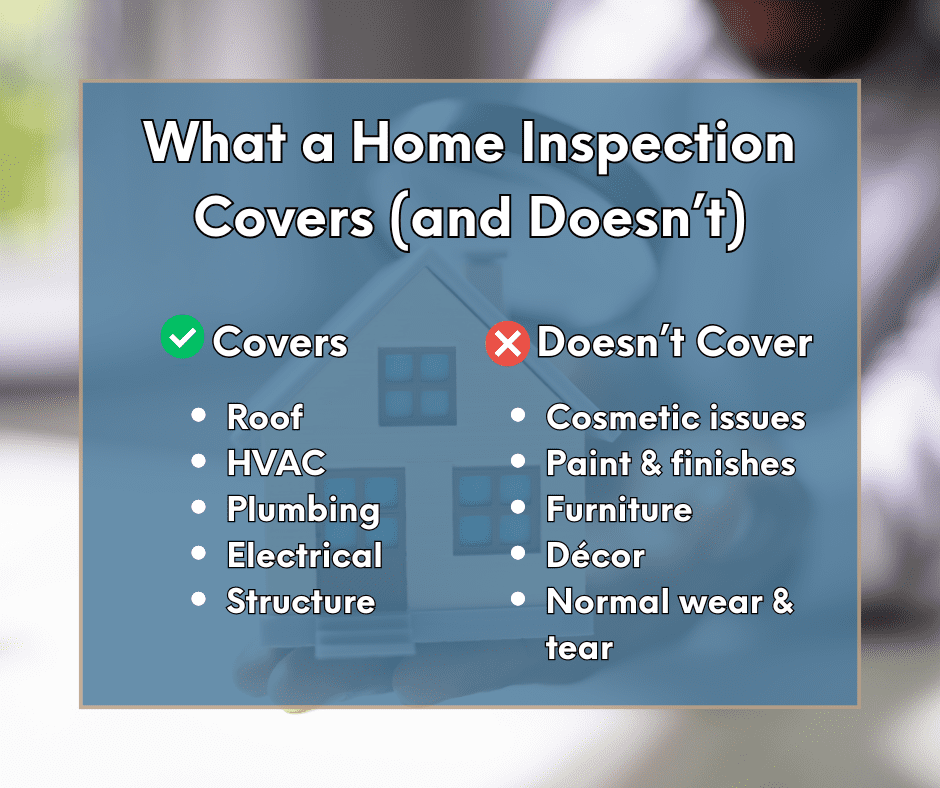
In our area, inspections commonly focus on:
Inspectors evaluate whether the following are in good repair and/or reasonable working order:
Roof
Heating system
Air conditioning
Plumbing
Electrical
Sewage/septic (if applicable)
Visible structural components
These categories align directly with what buyers are allowed to address contractually if problems are found .
This is a big one.
A material defect is not:
An older system nearing the end of its life
Normal wear and tear
Cosmetic issues like scratches, worn flooring, or fogged windows
Code changes that occurred after the home was built
Those items are specifically excluded from being considered defects under our local inspection amendment .
A material defect does exist if:
The roof is leaking or not structurally sound
A mechanical system is not operable
A system is not performing the function it was intended to perform
Age alone does not make something defective .
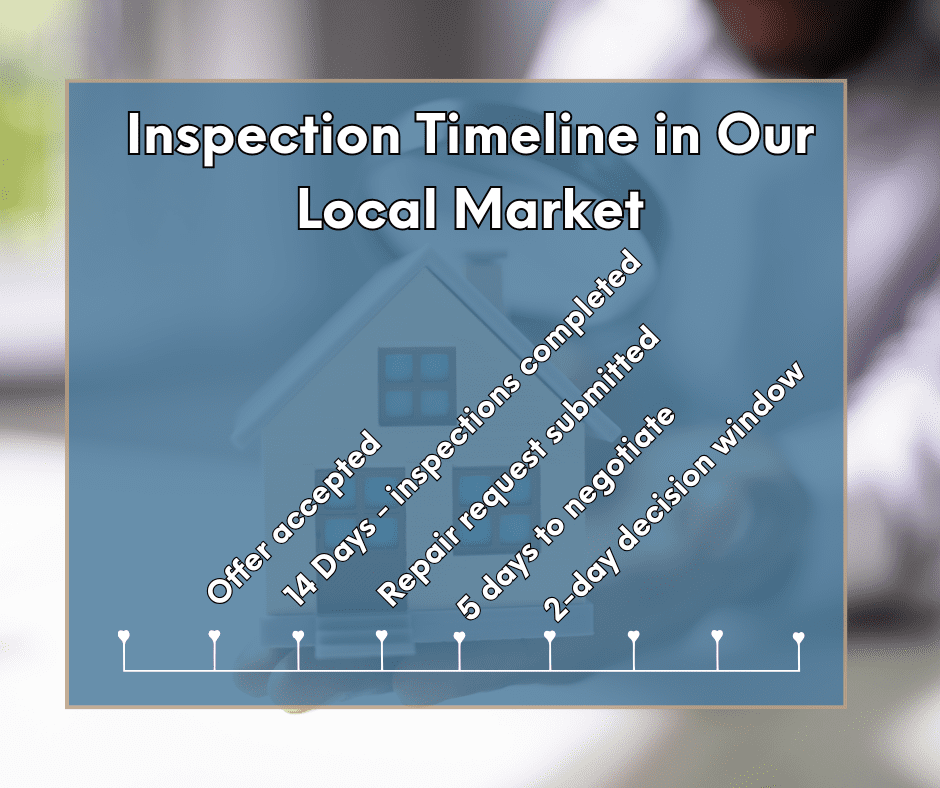
In our market, buyers generally have:
14 days after acceptance to complete inspections
The same 14-day window to submit a formal Inspection Repair Amendment with full inspection reports attached
If buyers do not act within this window, the inspection contingency is considered satisfied.
Once a repair request is submitted:
Buyers and sellers have 5 days to reach an agreement
If no agreement is reached, buyers typically have 2 additional days to terminate the contract and receive their earnest money back .
Sellers are not automatically required to fix everything on an inspection report.
If repairs are agreed upon, the Inspection Repair Amendment specifies that:
Sellers must use a licensed or qualified contractor
Repairs must be completed at least five days before closing
Sellers must provide paid invoices or lien waivers before closing .
This protects both parties and ensures the home will not be subject to contractor liens after closing.
Depending on the property, buyers may also pursue:
If radon levels are 4.0 pCi/L or higher, buyers may request mitigation
Sellers typically pay for mitigation if agreed upon
Buyers may retest after repairs (at their expense) .
Mold inspections are optional and buyer-paid
If remediation costs exceed $2,500, buyers may have the right to terminate .
Septic systems must be functioning, adequate, and compliant with health codes
Wells must meet potability standards and local health requirements
If defects are found and no agreement is reached, buyers may terminate within the defined timeframes .
Many buyers are surprised to learn that even As-Is homes often still allow inspections.
In an As-Is with Inspections contract:
Buyers may still request repairs if total repair costs exceed $2,500
Documentation of repair estimates must be provided
Sellers are not guaranteeing perfection—only transparency .
For buyers, inspections are about:
Understanding the home’s true condition
Identifying legitimate safety or functional concerns
Making informed decisions—not renegotiating over minor items
Knowing what counts as a material defect helps buyers focus on what truly matters.
For sellers, inspections are:
A normal part of the process
Not a personal critique of the home
Not a demand to fix every issue
Being prepared, understanding local standards, and responding strategically often keeps deals moving smoothly.
A home inspection is not about perfection—it’s about clarity, safety, and reasonable expectations, guided by very specific local contract terms.
When buyers and sellers understand **what a home inspection actually covers—and how it works in our market—**transactions are smoother, negotiations are calmer, and surprises are minimized.
For further information regarding the inspection process, click here.
Whether you’re buying, selling, or just planning ahead, we help our clients understand inspections, repair requests, and negotiation options before stress sets in.
📲 Reach out to our team and let’s make your next move informed and confident.